
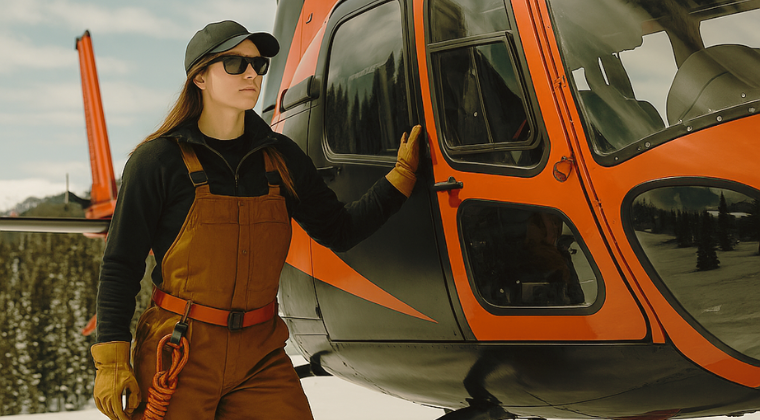
Online SAR training for responders who take their mission seriously.
Go PRO SAR
The PRO SAR Subscription gives you instant access to 25+ online courses covering field skills, leadership, team culture, technical rescue basics, and more.. Whether you’re new to SAR or leading a team, PRO SAR gives you the training you need to operate confidently and professionally on any mission.
Other SAR Courses
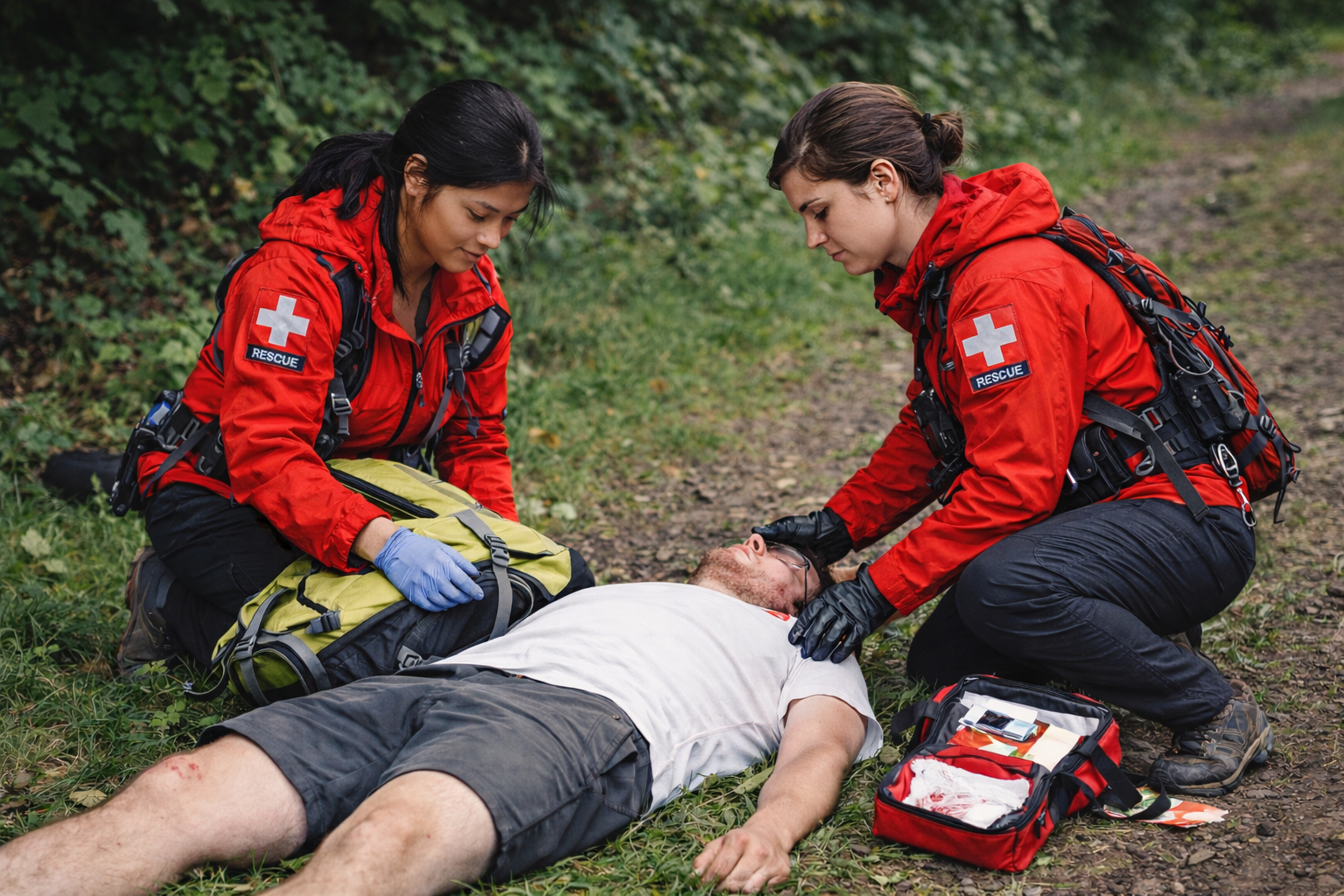
Learn how to handle the initial moments of making first contact with a subject. Including basic first aid. FREE enrollment!
Subject First Encounter
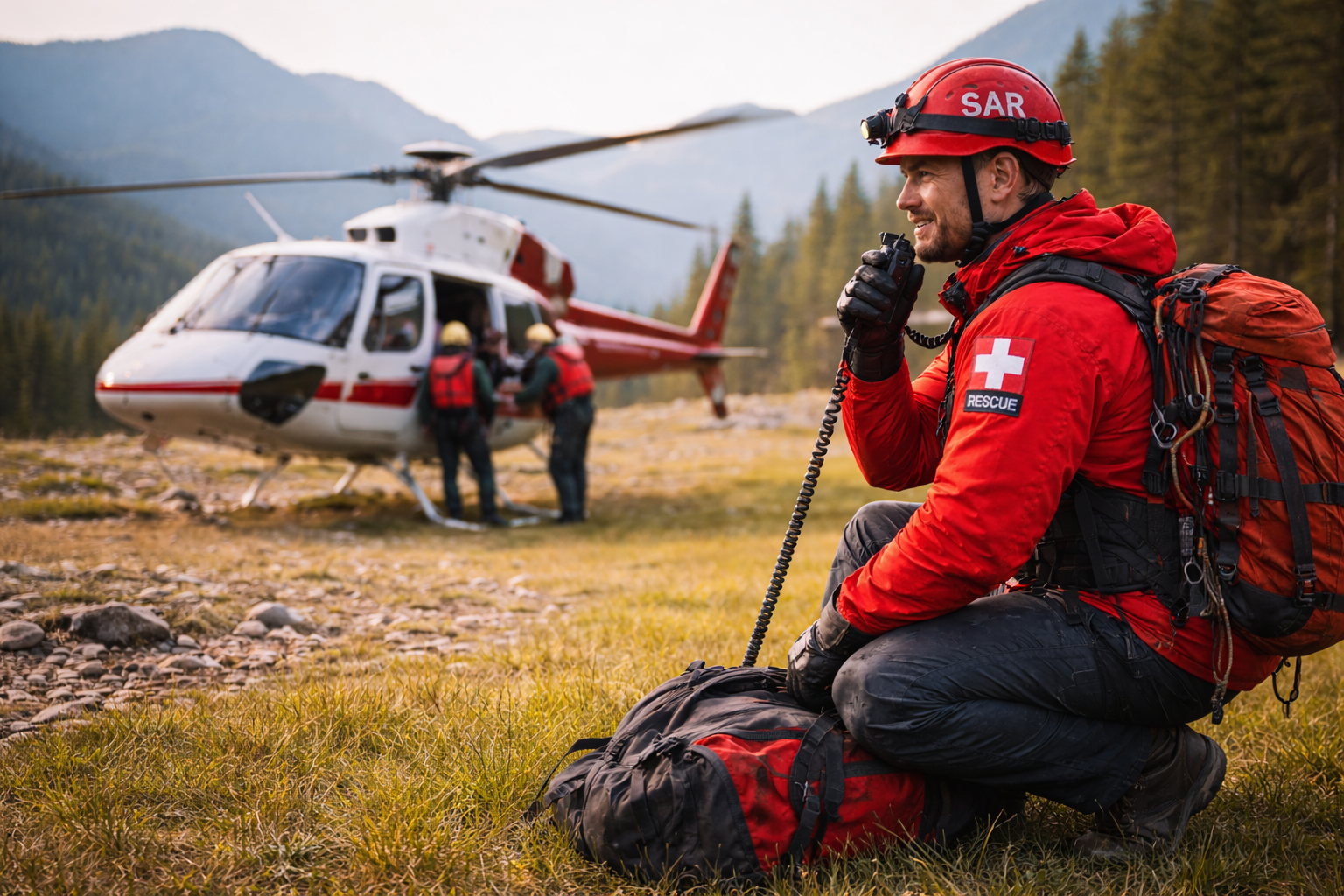
Helicopter Safety for SAR
Helicopters are cool and dangerous! Learn how to safely work with and around them. Free enrollment!

Family Liaison Officer
Provide for families during missions. This course is offered separate from the SAR library subscription and authored by Moose Mutlow.
SAR Special Subject Populations, Intro to Technical Winter Rescue, and How To Run A SAR Non-Profit courses to be released in 2026!
Explore The Entire SAR Course Library
Prepare
Get yourself mission-ready or review foundational SAR concepts

Health and Fitness for SAR
Be ready for whatever the mission physically demands.

Gear and Clothing for SAR
Having the right gear and clothing for SAR missions matters.

Basic SAR Survival
Learn how to survive when things do not go as planned.

Mental Health for Responders
Essential knowledge and action for mental health concerns.
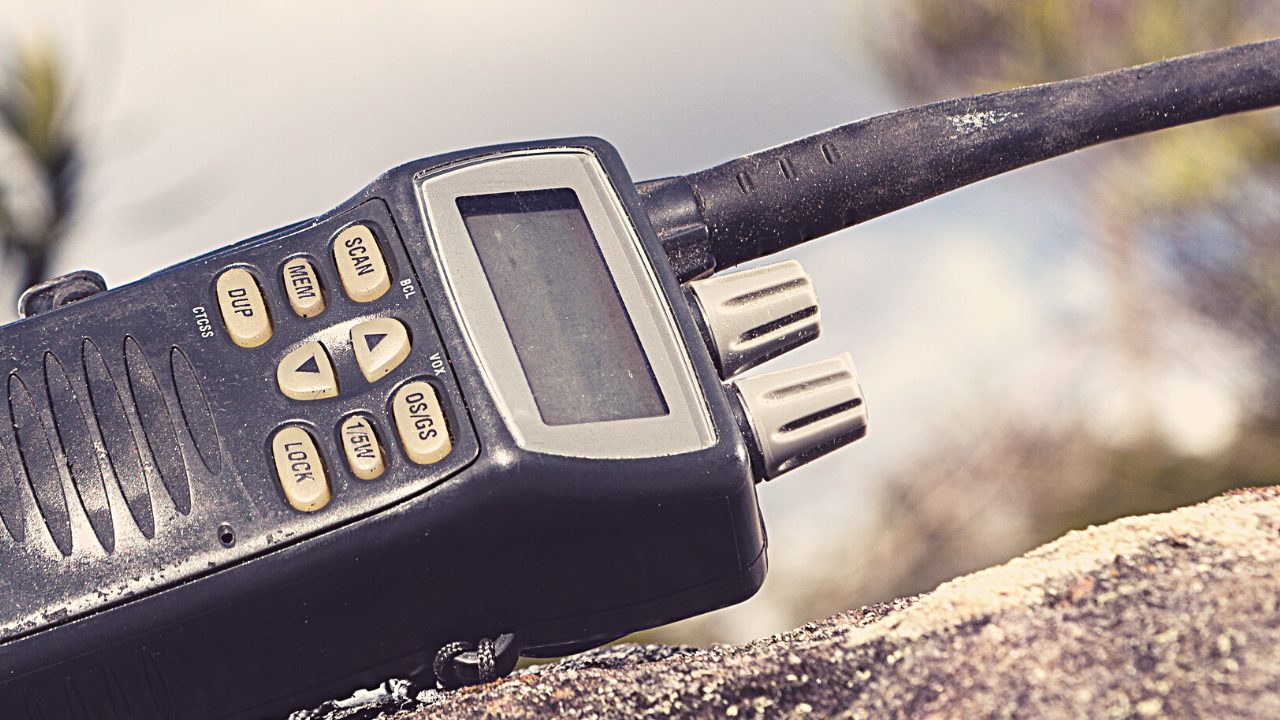
Understanding Radios for SAR
Learn how two-way radios work. Do you copy?

Firearm Safety for SAR
Learn gun safety and handling concepts.

Legal Concepts in SAR
This course includes the duty to act, volunteer protection, and more.

ICS and Professionalism in SAR
Incident Command System principles.

Risk Management and Decision Making in SAR
Learn how to best manage risk and correct common cognitive errors.

Cases in SAR Litigation
Learn about common reasons for ligation in SAR

Safe Trailer Operations for SAR
This Course familiarizes SAR and other Responders with the safe use of a trailer.
Locate
Your ability to quickly locate a SAR subject may mean the difference between life and death

SAR Land Navigation
This course include compass use, lat/long, UTM, datums, and more.

GPS and Satellite Navigation
The basics of setting waypoints, creating routes, and track logs.

Field Search Tactics
Includes clue awareness, basic tracking, and more.

Working with K9’s in SAR
Learn how to effectively work with search dogs in the field.
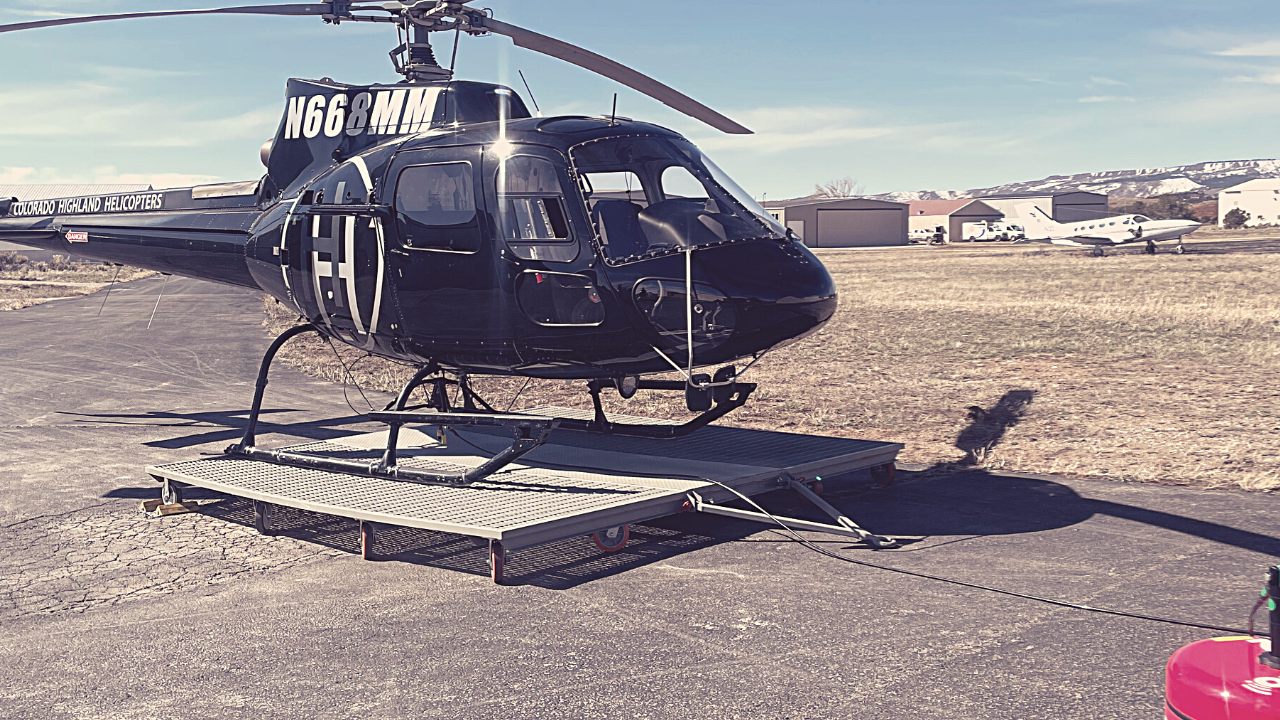
Helicopter RECCO Use for SAR Leaders
Learn more about the powerful capabilities of RECCO in SAR
Access and Treat
Stabilize life-threatening injuries and illness

Learn how to handle the initial moments of making first contact with a subject. Including basic first aid.
Subject First Encounter

Wilderness First Aid
Earn your WFA certification remotely - no travel required and still hands-on!

Wilderness Medicine for Advanced Providers - Introduction
Learn how to work with first responders and EMS and medical guidelines. For Paramedics and above.

In-house Wilderness Medicine Training for Teams
Become an instructor to provide wilderness medicine training for your team for only $65 per person. Instructors must be WFR or above.

Crime Scene Operations
Learn the do’s and don’ts of crime scenes
Extricate
Up steep cliffs, across rivers, over boulders, or via air to definitive care

Helicopter Safety for SAR
Helicopters are cool and dangerous! Learn how to safely work with and around them.

Common Knots in SAR
From the figure eight to the alpine butterfly, review the most basics knots use in SAR.

Litter Packaging & Evacuation
Strap them in and haul them out — gently and safely.

Flexible Rescue Litters
Review how to properly use a SKED, TRS, and MEDSLED!
SAR Training FAQ
Join over 3000 SAR responders from more than 22 counties
King County SAR Association
-
Cibola SAR
-
La Plata County SAR
-
Washoe County SAR
-
Las Animas County SAR
-
Jefferson County SAR
-
King County SAR Association - Cibola SAR - La Plata County SAR - Washoe County SAR - Las Animas County SAR - Jefferson County SAR -
-
All Base SAR courses are included in team access subscriptions. A list of courses is below, with no courses being added regularly as new requests come in and new content becomes relevant.
SAR Land Navigation
SAR Helicopter Operations
Health and Fitness for SAR responders
Helicopter Operations
GPS and Satellite Navigation
Common Knots in Rescue
Understanding Radios for SAR
Litter Packaging and Evacuation
Field Search Tactics
ICS and Professionalism
Basic SAR survival
Firearm Safety
Flexible Litters
SAR Legal Concepts
Crime Scene Investigation
Working with K9’s
Risk Management and Decision Making in SAR
Gear and Clothing for SAR
Mental Health for SAR Responders
Wilderness Medicine
New courses added regularly
-
The Base Medical SAR training program is perfect for both new and seasoned SAR responders. Courses are designed to be accessible but challenging, with an emphasis on content that is most relevant to folks working in a SAR capacity.
Our program is available as a team subscription or as a an individual subscription as well as through on demand single-purchase courses.
-
The courses will guide you through a series of modules covering the essentials of a topic. Modules include video lessons and text to review as well.
There may be quizzes between modules to test your knowledge along the way. At the end of the course, you’ll take a final exam. Once you pass, you’ll receive a certificate of completion.
-
Our online SAR courses have been designed to meet or exceed requirements for:
NASAR
NFPA
ASRC
State SAR programs
These courses can also be used for continuing education credits for NASAR SARTECH renewal. NASAR additionally recognizes the helicopter course as meeting the aviation safety prerequisite for SARTECH programs.
-
Each course varies in length from 30 minutes to several hours. All courses are self-paced, though, so you can move through the content at a speed that is most appropriate for you.
What Our Teams are Saying
-
"Base Medical SAR programs are such an excellent resource, especially for those of us who look for training above and beyond our monthly team trainings. Thank you for enriching my role as a SAR responder in a relevant and economical way. I appreciate it!!"
-Jill Oie, Elkhorn SAR, Montana
-
"Base Medical presented good ideas around decision-making. This course and your Helo course ought to be mandatory for many units."
-Bob Coleman, King County SAR, Washington
-
"This course was excellent for beginners like myself. Covering all areas of safety, it explained everything in great detail. I highly recommend this course for beginners, as well as seasoned SAR team members with helicopter experience".
-Stephanie Phillips, Indiana Search & Response Team
-
"The quiz was challenging, and appropriately, especially in the coordinate conversions, which give people trouble all the time."
-Tod Schimelpfenig, Fremont County SAR, Wyoming
-
"I was really appreciative to have taken this course and excellent need to know advice for when searching."
-Joyce Courtoreille, Sundre Search and Rescue, Alberta, Canada
-
"We have been slowly reconfiguring our training plan to take advantage of Base Medical training... Self-paced training seems to work better for busy people and weeds out those who are not ready to commit sufficient time to SAR. And we've replaced energy-sapping annual classes with on-demand, consistent course content. Next year's intention is to bring all of our existing members into Base Medical, regularly assigning modules as refresher training to free our monthly meetings for more hands-on work."
-Matt Stewart, Jefferson SAR, Washington
-
"So much more than a LZ safety course. Gives good insight to why you need to follow specific procedures. Job well done. Thank you."
-Don Dragon, Jr, EMS, Rhode Island
-
"More in-depth than SAR Radio classes I have taken in past. Nice format for online class, with the video sections explaining concept and showing examples."
-Donna Cramer, Alaska Solstice Search Dogs